
Oral surgery: in calm hands, planned on site
Tooth extraction, wisdom tooth removal, bone grafting and sinus lift – we plan oral surgery procedures here, based on a 3D scan, and carry them out under local anaesthetic.
When is it a good choice?
- A tooth cannot be saved and needs to be removed.
- Your wisdom tooth hurts, is inflamed or cannot come through properly.
- You would like an implant, but the examination shows there is not enough bone.
- The sinus is close above your upper back teeth and the bone needs to be built up.
Oral surgery in one place
Some oral surgery is a simple extraction, and some needs careful planning. We do both here at the practice, so you do not have to go to another clinic. The procedures are carried out by Dr Olivér Muskát, whose main fields are implantology and oral surgery.
For planning we use a 3D CBCT scan made on site. It shows exactly where the tooth sits, the shape of the roots, and the position of nerves and sinus.
Tooth extraction and wisdom teeth
We remove a tooth when it can no longer be saved, for example because of advanced decay, a fracture or gum disease. Before that, we always check whether there is a chance of keeping it.
A wisdom tooth often has no room, sits at an angle or comes through only partly. It can then cause repeated inflammation and pain, and may damage the tooth next to it. In that case we recommend removing it. The procedure is done under local anaesthetic, and you will not feel pain.
Bone grafting
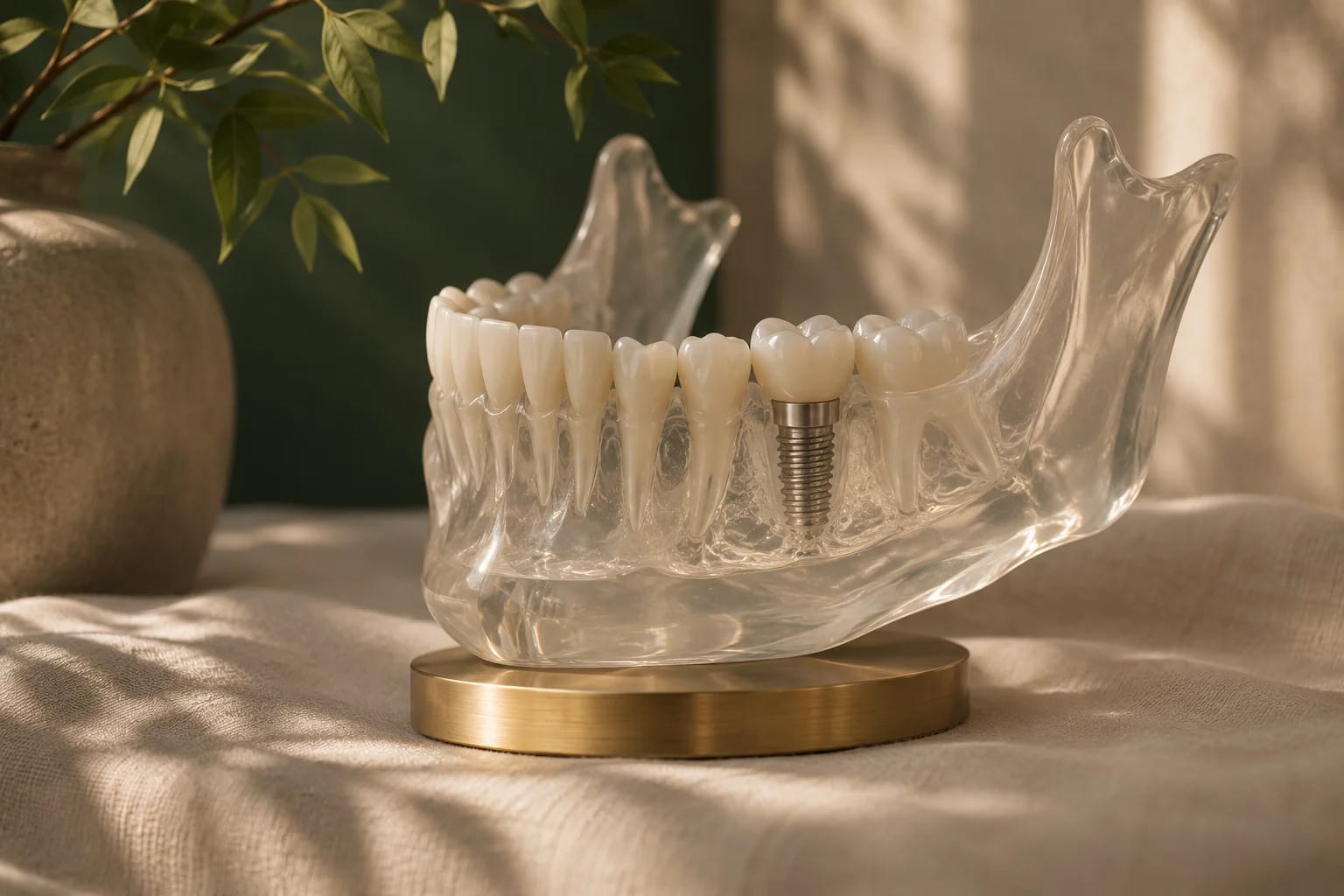
After a tooth is lost, the jawbone gradually shrinks. If you would like an implant but the bone is not high or wide enough, we strengthen the area with a bone graft.
We place bone graft material in the deficient area, and during healing your body replaces it with its own bone. A bone graft can be done at the same time as the implant or beforehand, as a separate step. We decide which is better based on the 3D scan.
Sinus lift
The sinus lies above the upper back teeth. After teeth are lost, there is often little bone left here. In a sinus lift, we gently raise the membrane that lines the floor of the sinus and place bone graft material in the space.
After healing, the implant can be placed safely in this strengthened bone. In some cases both steps can be done at one appointment.
How to prepare
Before the procedure, tell us which medicines you take, especially blood thinners, osteoporosis medicines or diabetes medicines. These need to be managed in agreement with your own doctor. On the day, have a light meal beforehand, and if a longer operation is expected, it is a good idea to bring someone with you.
What to expect afterwards
After the procedure you also receive the most important information in writing. In the first days:
- cool the area and rest more;
- eat soft, lukewarm food and avoid hot drinks;
- do not smoke, and do not rinse hard;
- take the recommended medicines as instructed.
At the follow-up we check how the wound is healing. If you have anything unexpected, such as increasing pain or bleeding, please call us.
Treatment steps
Examination and 3D CBCT
Before the procedure we assess the position of the tooth, the bone and the structures around it. The 3D scan is taken here at the practice.
Discussion
We explain what will happen, how long it takes and how to prepare for the day. If you take any medicines, we go through those too.
The procedure
The procedure is done under local anaesthetic, and you will not feel pain. We work at a calm pace, and you can tell us at any point if you need a break.
Healing and follow-up
You receive written advice for the healing period. At the follow-up we check the wound and, if needed, remove the stitches.
Frequently asked questions
How unpleasant is wisdom tooth removal?
The procedure itself is done under local anaesthetic, so it does not hurt. Afterwards there may be a few days of swelling, tenderness and difficulty opening your mouth wide. Cooling, painkillers and following our advice usually manage this well.
When does a wisdom tooth need to come out?
Not every wisdom tooth needs to be removed. We recommend it when it causes repeated inflammation, is decayed, has no room, or threatens the tooth next to it. We use an X-ray or 3D scan to decide.
What is a sinus lift?
The sinus sits above the upper back teeth. If there is too little bone here for an implant, we gently raise the floor of the sinus and place bone graft material in the space. This creates a safe base for the implant.
Can I drive after the procedure?
Most people can drive after a local anaesthetic, but it depends on the length of the procedure and on how you feel. Before a longer operation we discuss whether it is best to bring someone with you.
Let's talk it through in person
Book a consultation: we examine you, explain your options and give you a written treatment plan.
Related treatments

Dental implants
Replace one tooth or a whole set, without grinding down the healthy teeth next to the gap.
Learn more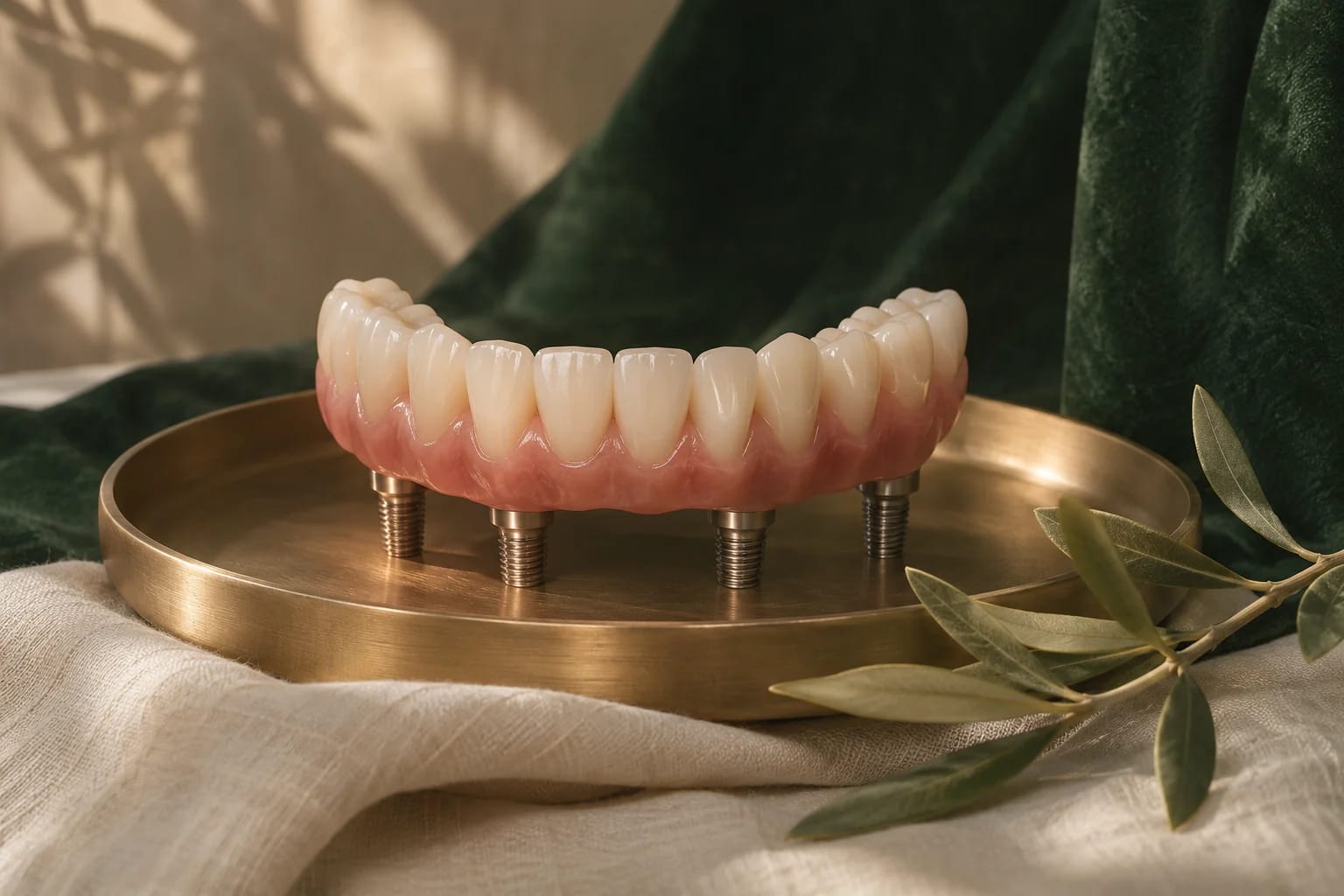
All-on-4 / All-on-6
A fixed full set of teeth on four or six implants, when all teeth are missing.
Learn more
Fillings, inlays, onlays
Tooth-coloured fillings and ceramic inlays and onlays to repair decayed or damaged teeth.
Learn more