
Dental hygiene and tartar removal: the basis of a healthy mouth
Regular, thorough cleaning protects your gums, teeth, implants and restorations. The treatment is gentle, and comes with advice for your care at home.
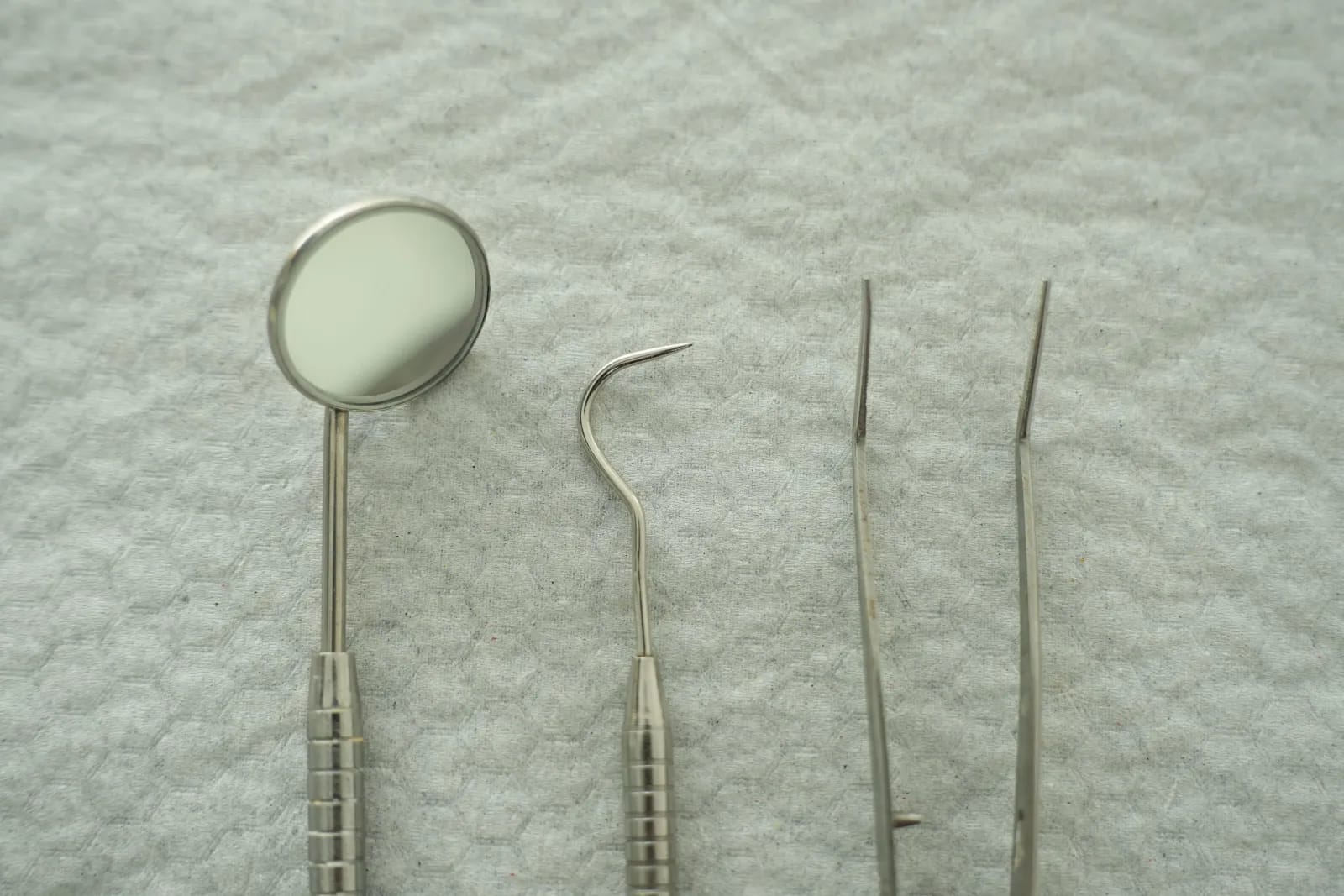
When is it a good choice?
- Your gums bleed when you brush, or your breath is unpleasant.
- You can see tartar or staining on your teeth, for example from coffee, tea or smoking.
- You have an implant, crown or bridge and want to protect it for the long term.
- It has been a long time since your last dental visit and you would like a fresh start.
Why is regular dental hygiene important?
Plaque builds up on your teeth all the time. If it is not removed, it hardens over time and becomes tartar. Tartar can no longer be removed by brushing.
More bacteria stick to the rough surface of tartar. This can cause gum inflammation, bleeding gums and bad breath. In the longer term, gum disease can develop, which can even lead to loose teeth. Regular cleaning prevents this.
Especially important with implants and restorations
Plaque also builds up around implants, crowns and bridges. The gum and bone around an implant can become inflamed if the area is not clean. Dental hygiene treatment is therefore an important condition for the long life of your restorations.
To clean implants and fixed restorations, we use tools and techniques that do not damage their surface.
How does the treatment work?
First we look over your mouth: we see where there is tartar, what condition your gums are in, and whether there is any area that needs more attention at home.
We remove tartar with an ultrasonic device and fine hand instruments, including from under the gum edge. Then we polish the teeth so their surface is smooth and plaque finds it harder to stick. Some of the staining caused by coffee, tea or smoking can also be removed.
The treatment is carried out by our dentists. [megerősítésre vár: van-e dentálhigiénikus a csapatban, aki a szájhigiéniai kezeléseket végzi]
How often should you come?
It differs from person to person. For many people we recommend every six months, for others less often is enough. If you are prone to gum inflammation, smoke, or have an implant or bridge, you may need it more often. At the check-up we tell you what is ideal for you.
It is worth combining dental hygiene with a regular check-up. That way, in one appointment we look over the condition of your teeth and gums, and notice small problems before they cause symptoms.
What to expect afterwards
After the treatment your gums may be sensitive for a few days and bleed slightly when you brush. This usually passes quickly as the inflammation settles. Your teeth may be temporarily more sensitive to cold.
If there was a lot of tartar, the gaps between your teeth may look larger after cleaning. These gaps were there before – the tartar had simply filled them.
Care at home
The effect of the treatment lasts longer if you also clean your teeth regularly at home:
- brush twice a day for at least two minutes, with fluoride toothpaste;
- clean between your teeth daily with floss or interdental brushes;
- with an implant or bridge, ask us about the right tools;
- go for regular check-ups – that way problems stay small.
Treatment steps
Overview
We look at the condition of your teeth, gums and existing restorations, and ask what we should pay attention to.
Tartar removal
With an ultrasonic device and hand instruments we remove tartar from the surface of the teeth and from under the gum edge.
Cleaning and polishing
We remove deposits and staining with gentle polishing, so the surface is smooth and plaque finds it harder to stick.
Advice for home
We show you which toothbrush, interdental cleaning tools and technique are worth using at home – adapted to your own mouth.
Frequently asked questions
Does tartar removal hurt?
Most people find it unpleasant but not painful. If your teeth are sensitive or your gums are inflamed, tell us, and we will use a local anaesthetic if you wish.
How often should I have it done?
It differs from person to person. For many people we recommend every six months, for others less often is enough. With an implant, a fixed restoration or gum disease, you may need it more often. At the check-up we tell you what is ideal for you.
Does it damage tooth enamel?
No. Tartar removal takes off the deposits on the tooth and does not harm the enamel. Afterwards your teeth may be temporarily more sensitive, which usually passes within a few days.
Let's talk it through in person
Book a consultation: we examine you, explain your options and give you a written treatment plan.
Related treatments

Dental implants
Replace one tooth or a whole set, without grinding down the healthy teeth next to the gap.
Learn more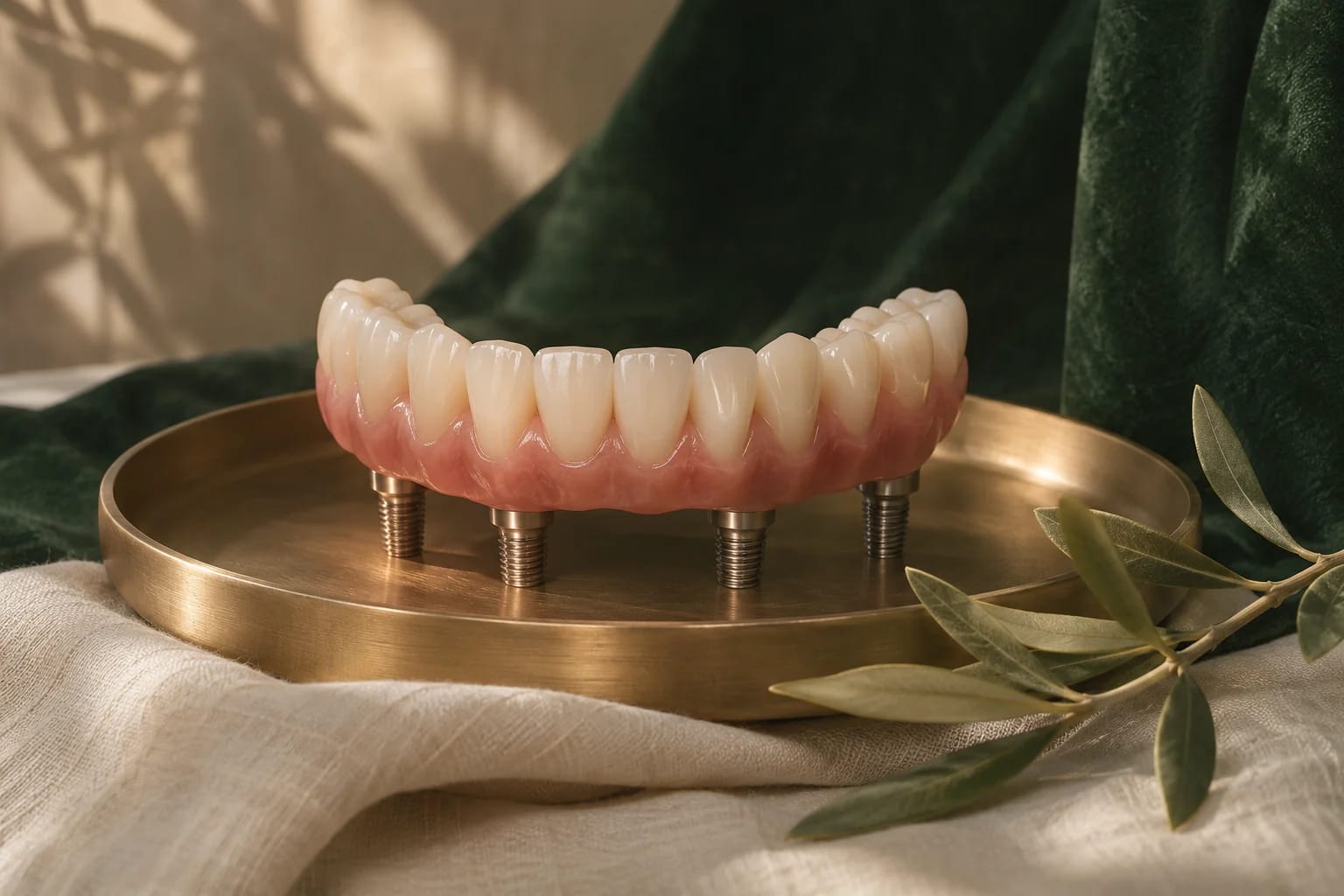
All-on-4 / All-on-6
A fixed full set of teeth on four or six implants, when all teeth are missing.
Learn more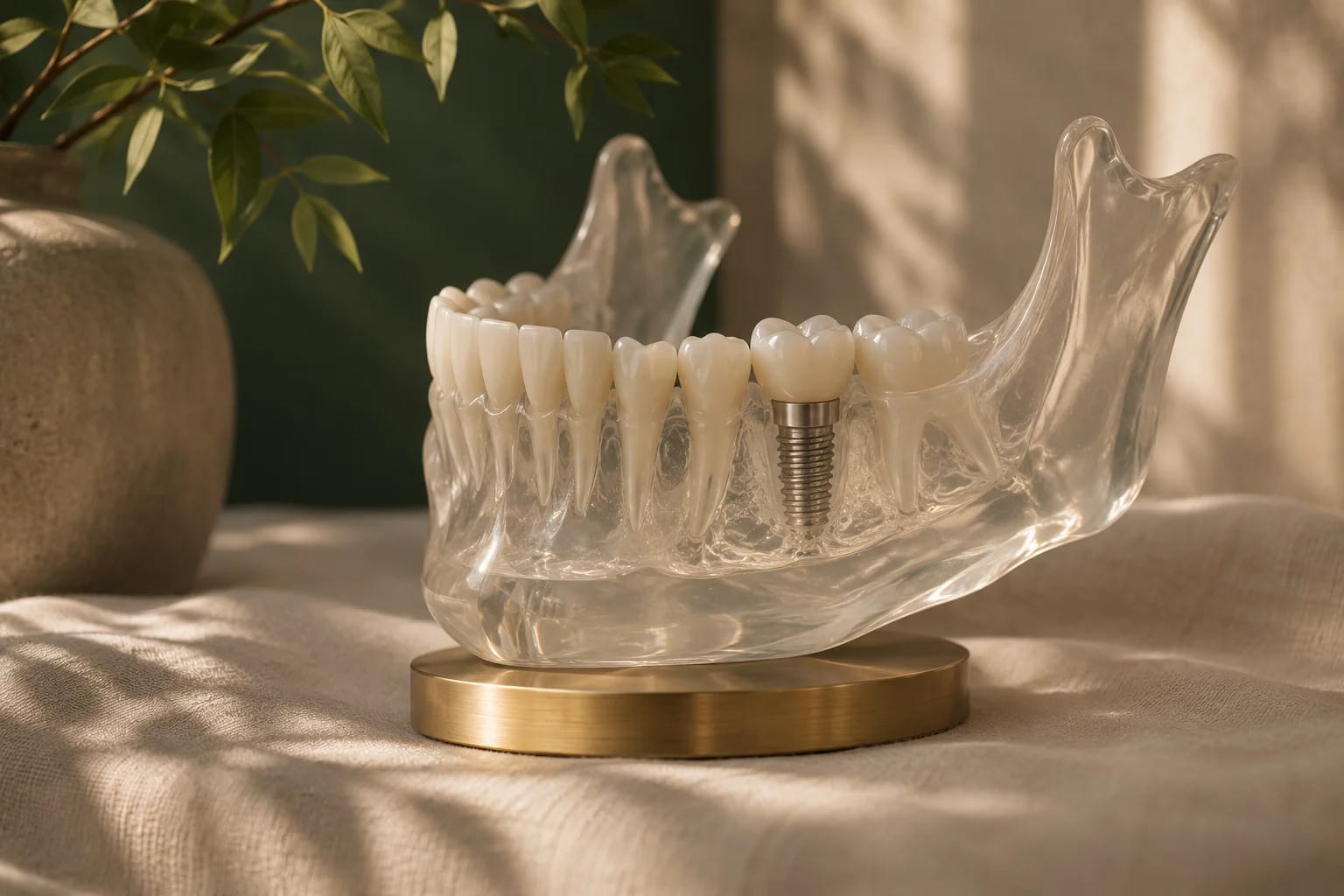
Oral surgery
Extractions, wisdom teeth, bone grafting and sinus lift, planned with a 3D scan.
Learn more