
Fillings, inlays and onlays: keeping your own tooth
We repair a decayed or damaged tooth while keeping as much of your own tooth as possible. A small defect gets a tooth-coloured filling, a larger one a ceramic insert made in a laboratory.
When is it a good choice?
- Your dentist has found decay, or a tooth has become sensitive to sweet or cold things.
- An old filling is worn, broken or discoloured.
- A back tooth has a large defect, but does not need a crown yet.
- You would like to replace an old, dark filling with a tooth-coloured one.
Why is it important to treat decay early?
Decay does not hurt at first, so it is often found only at a check-up. If it is left untreated, it goes deeper and can reach the nerve of the tooth. Then you may need root canal treatment.
The earlier we treat it, the smaller the procedure and the more of your own tooth is kept. That is why it is worth coming for regular check-ups, even when nothing hurts.
Tooth-coloured fillings
A tooth-coloured filling, known as a composite filling, can be matched to the colour of your tooth, so it hardly differs from a natural tooth. We build it up in layers and harden each layer with light. This method bonds well to the tooth, which allows gentler preparation.
For small and medium defects this is the first choice, on front teeth and back teeth alike. The filling is completed in one appointment.
Inlays and onlays
If the defect is larger, a ceramic insert made in a laboratory may be the better solution. An inlay fills the cavity inside the tooth, while an onlay also replaces part of the chewing surface, such as a broken cusp.
The insert is made individually from an impression, so it fits precisely. It withstands heavy chewing forces well, and its colour stays stable. It is often a good alternative to a crown, because less of the healthy tooth has to be removed.
The treatment takes two appointments. At the first we prepare the tooth and take an impression, and at the second we bond the finished insert.
What decides which one we recommend?
The decision depends on the size of the defect, the position of the tooth and the chewing forces. For small decay, a filling is always the right choice, and an insert would be unnecessary. But if a large part of the tooth wall is missing, a filling is more likely to break, and an insert can be the more lasting solution. After the examination we explain what speaks for each.
Who carries out the treatment?
Fillings are done by both Dr Olivér Muskát and Dr Babett Kenyeres. Inlays and onlays belong to prosthetics, so they are typically planned and made by Dr Babett Kenyeres.
What to expect afterwards
The anaesthetic wears off within a few hours. Until then do not eat, so you do not bite your cheek or tongue. The treated tooth may be sensitive to cold for a few days, which usually passes by itself.
If your bite feels high, let us know and we will correct it at a short appointment.
Aftercare
The edge of a filling or insert is the most vulnerable point of the tooth. Decay can start again here if plaque is left on it. So:
- brush twice a day with fluoride toothpaste;
- clean between your teeth with floss or interdental brushes;
- go for regular check-ups and hygiene visits.
Treatment steps
Examination
We examine the tooth and, if needed, take an X-ray. This shows how large the damage is and which solution is better.
Preparation
Under local anaesthetic, and without pain, we remove the decayed part and clean the tooth.
Filling or impression
For a smaller defect, we build up the tooth-coloured filling in layers and harden it. For an inlay or onlay, we take an impression and you get a temporary filling.
Bonding and fine-tuning
At the next appointment we bond the insert made in the laboratory. Finally we check your bite and polish the surface smooth.
Frequently asked questions
What is the difference between an inlay and an onlay?
Both are inserts made in a laboratory. An inlay fills the cavity inside the tooth, while an onlay also replaces part of the chewing surface, such as a cusp.
Why is an insert sometimes better than a filling?
For a large defect, an insert made in the laboratory fits more precisely and withstands chewing forces better. It can also be a good alternative to a crown, as less of the healthy tooth has to be removed.
Do I have to replace my old, dark fillings?
Not necessarily. If an old filling is intact and sealed well, it does not need replacing. If it is damaged, leaking or bothers you for cosmetic reasons, we discuss the options after the examination.
Let's talk it through in person
Book a consultation: we examine you, explain your options and give you a written treatment plan.
Related treatments
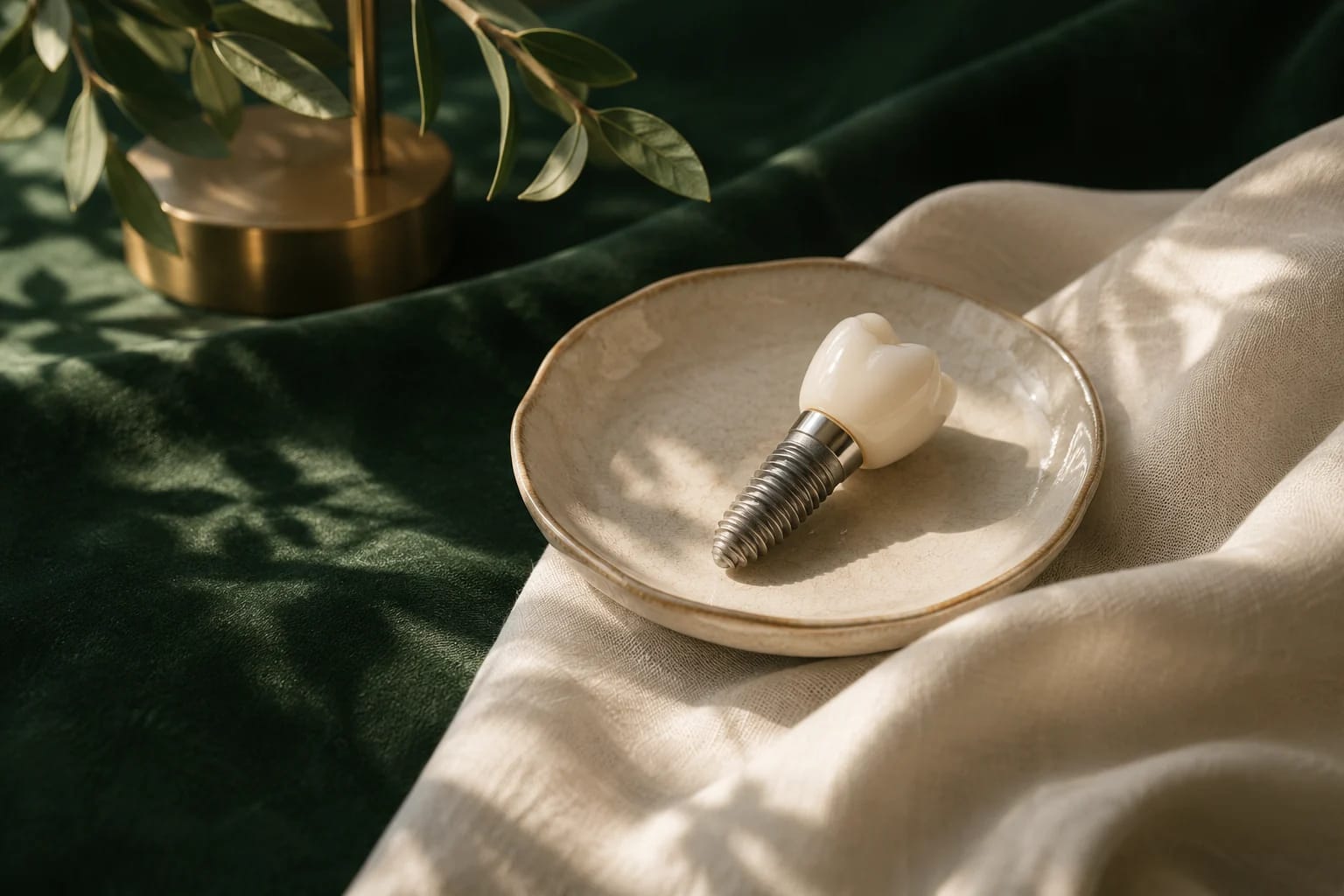
Dental implants
Replace one tooth or a whole set, without grinding down the healthy teeth next to the gap.
Learn more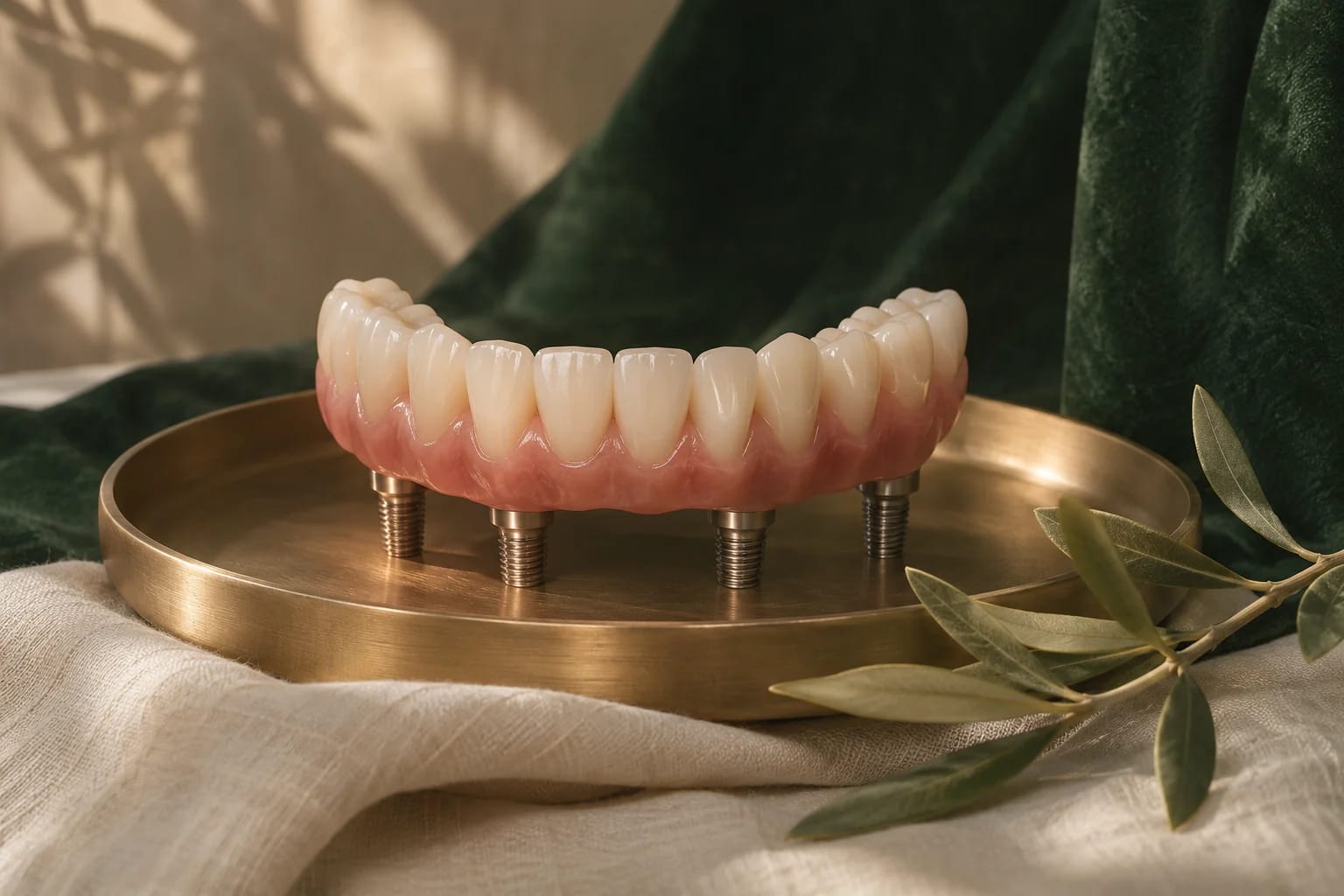
All-on-4 / All-on-6
A fixed full set of teeth on four or six implants, when all teeth are missing.
Learn more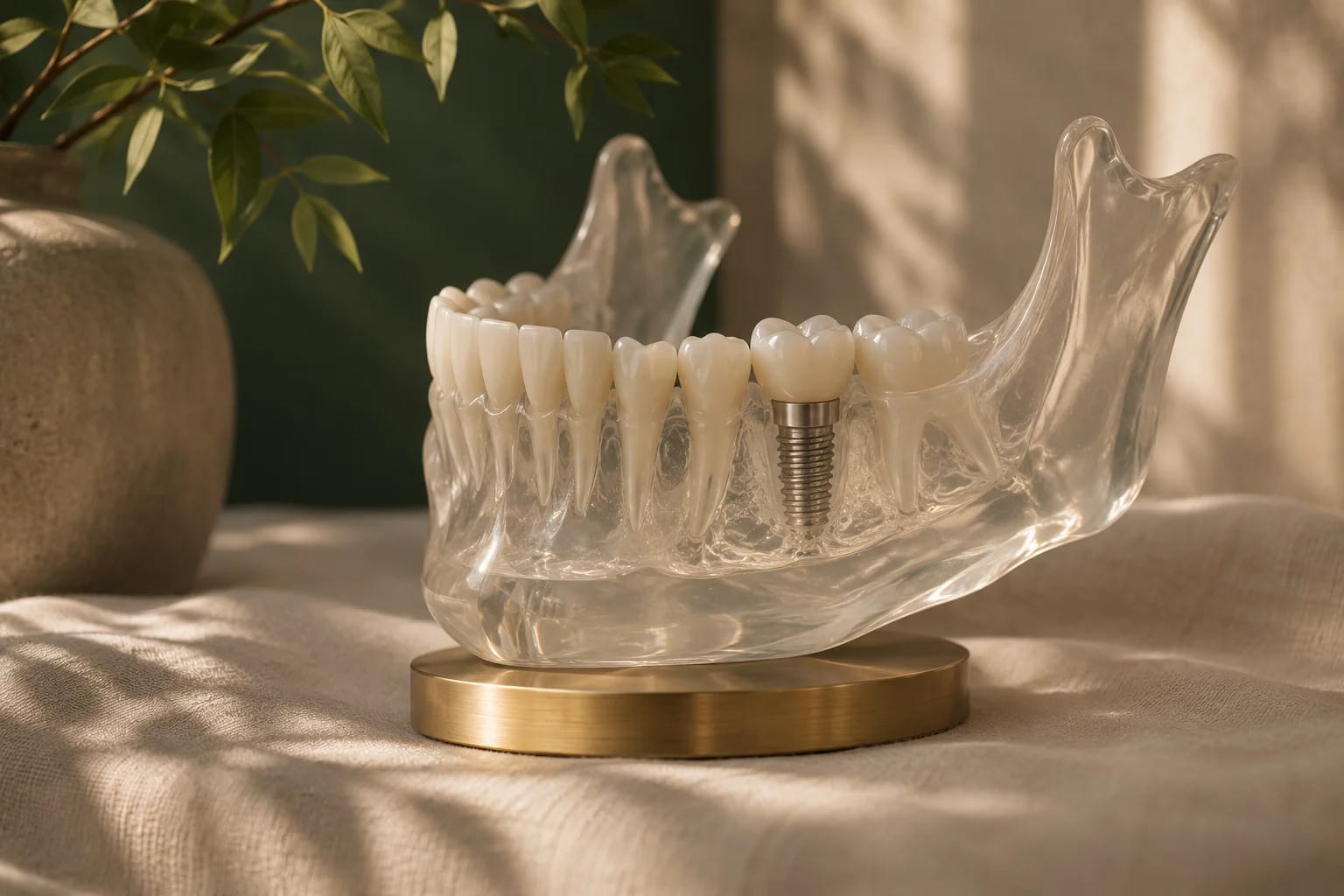
Oral surgery
Extractions, wisdom teeth, bone grafting and sinus lift, planned with a 3D scan.
Learn more